What is "Leaky Gut"?
Leaky gut, or increased intestinal permeability, happens when the small intestine's lining becomes damaged. This allows toxins, food particles, and bacteria to leak into the bloodstream—triggering inflammation and potentially leading to digestive issues, autoimmune conditions, and other chronic health problems. Struggling with bloating, fatigue, or food sensitivities? Learn how to support gut health and repair leaky gut naturally.
HEALTH & WELLNESS
Annalisa Mazzarella, BCHN®, NBC-HWC
7/5/20244 min read
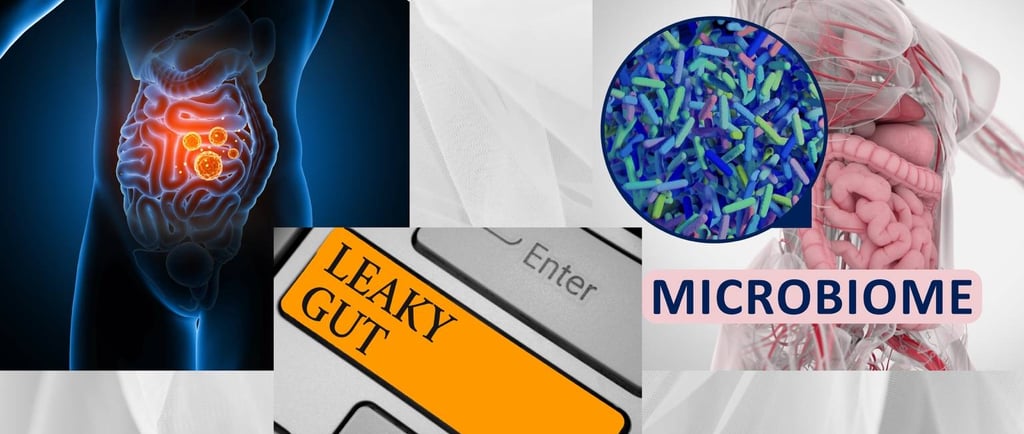
Increased intestinal permeability, also known as "leaky gut," occurs when the small intestine's lining becomes damaged. The microbiome, which consists of trillions of bacteria and other microorganisms living in our intestines, plays a crucial role in maintaining gut health. When the microbiome is disrupted—a condition known as dysbiosis—harmful bacteria can overgrow, leading to increased inflammation and damage to the gut lining. This damage allows undigested food particles, toxins, and bacteria to "leak" through the intestinal walls and enter the bloodstream. This leakage triggers inflammation and can lead to various health issues, including digestive problems and autoimmune conditions. Multiple factors can cause increased intestinal permeability. A recent study has found that eating a Standard American Diet, having insulin resistance, high cholesterol, high blood sugar, and increased inflammation are some of the most significant risk factors for damaging the gut lining (Leech et al., 2019).
What are Tight Junctions?
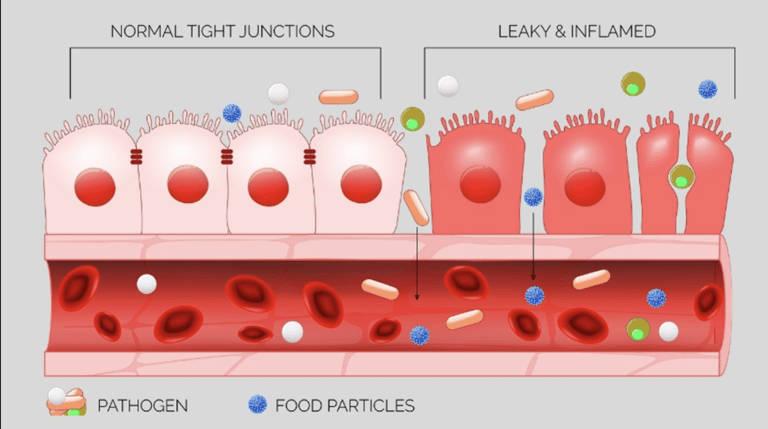
Tight junctions are complex structures formed by various proteins that seal the spaces between adjacent cells in the lining of your intestines, acting
like gatekeepers. They hold the intestinal wall cells together, creating a barrier that controls what can pass through the gut lining and into the bloodstream.
Think of them as zippers!
When working correctly, they keep harmful substances out of your bloodstream. When they become damaged, they “open up” and let food particles and bacteria
through (Paradis et al., 2021).
Graph Source: https://drruscio.com/ulcerative-colitis-vs-crohns/
leaky gut symptoms & causes
The symptoms can be varied and include:
Bloating and gas
Diarrhea or constipation
Abdominal pain or cramping
Fatigue and brain fog
Headaches
Joint pain and stiffness
Skin issues such as rashes or acne
Food sensitivities
Autoimmune conditions
Several factors can contribute to the development of leaky gut, including:
Chronic Stress: Prolonged stress can weaken the gut lining.
Excessive Alcohol Consumption: Alcohol can irritate and damage the intestinal lining.
Poor Diet: Diets high in sugar (including artificial sweeteners), refined carbs, and processed foods can damage the gut lining.
Chronic Inflammation: Persistent inflammation in the gut can lead to increased permeability.
Infections: Bacterial, viral, or fungal infections, including Candida overgrowth, can disrupt the gut barrier.
Medications & Pesticides: Overexposure to NSAIDs, antibiotics, PPIs, and glyphosate can damage the gut lining.
Gut Microbiota Imbalance: Dysbiosis, or an imbalance in gut bacteria, can weaken the gut barrier


Lifestyle Recommendations
Improving intestinal permeability often requires a combination of lifestyle and dietary changes. Here are some tips to help you manage and improve the condition:
Manage Stress
Practice Relaxation Techniques: Engage in deep breathing, meditation, and yoga.
Ensure Adequate Sleep: Aim for 7-8 hours of sleep per night.
Regular Physical Activity: Find a form of exercise you enjoy and make it a regular part of your routine. Avoid overexercising, especially in the heat, as it
could stress your gut.
Avoid Toxins
Minimize Environmental Toxins: Reduce exposure to pesticides and pollutants.
Limit Antibiotics, PPIs, and NSAID Use: Avoid unnecessary use of these medications.
Quit Smoking and Limit Alcohol: Both smoking and excessive alcohol use can damage the gut lining.
Nutritional Recommendations
Diet plays a crucial role in addressing a leaky gut. Here are some nutritional tips that can help you:
Eliminate Trigger Foods
Avoid Processed Foods: Steer clear of refined sugars and artificial additives.
Identify Food Sensitivities: Consider eliminating common allergens like gluten and dairy if sensitivities are suspected.
Incorporate Gut-Healing Foods
Bone Broth: Rich in collagen and amino acids that support gut health.
Fermented Foods: Include sauerkraut, kimchi, yogurt (be mindful of added sugar!), and kefir, which contain probiotics.
Prebiotic Foods: Foods like garlic, onions, leeks, asparagus, and bananas nourish good bacteria.
Anti-Inflammatory Foods
Fatty Fish: Wild-caught salmon is rich in omega-3 fatty acids.
Fruits and Vegetables: Berries and leafy greens are high in antioxidants, which help you combat oxidative stress.
Low FODMAPs diet: Consider temporarily eliminating foods high in short-chain carbohydrates that can be poorly absorbed in the small intestine, such as certain fruits (like apples and pears), dairy products, wheat, garlic, onions, and legumes.


botanical and supplement recommendations
Botanicals and supplements can also be integrated into a leaky gut protocol to help address the underlying permeability. Some of these include:
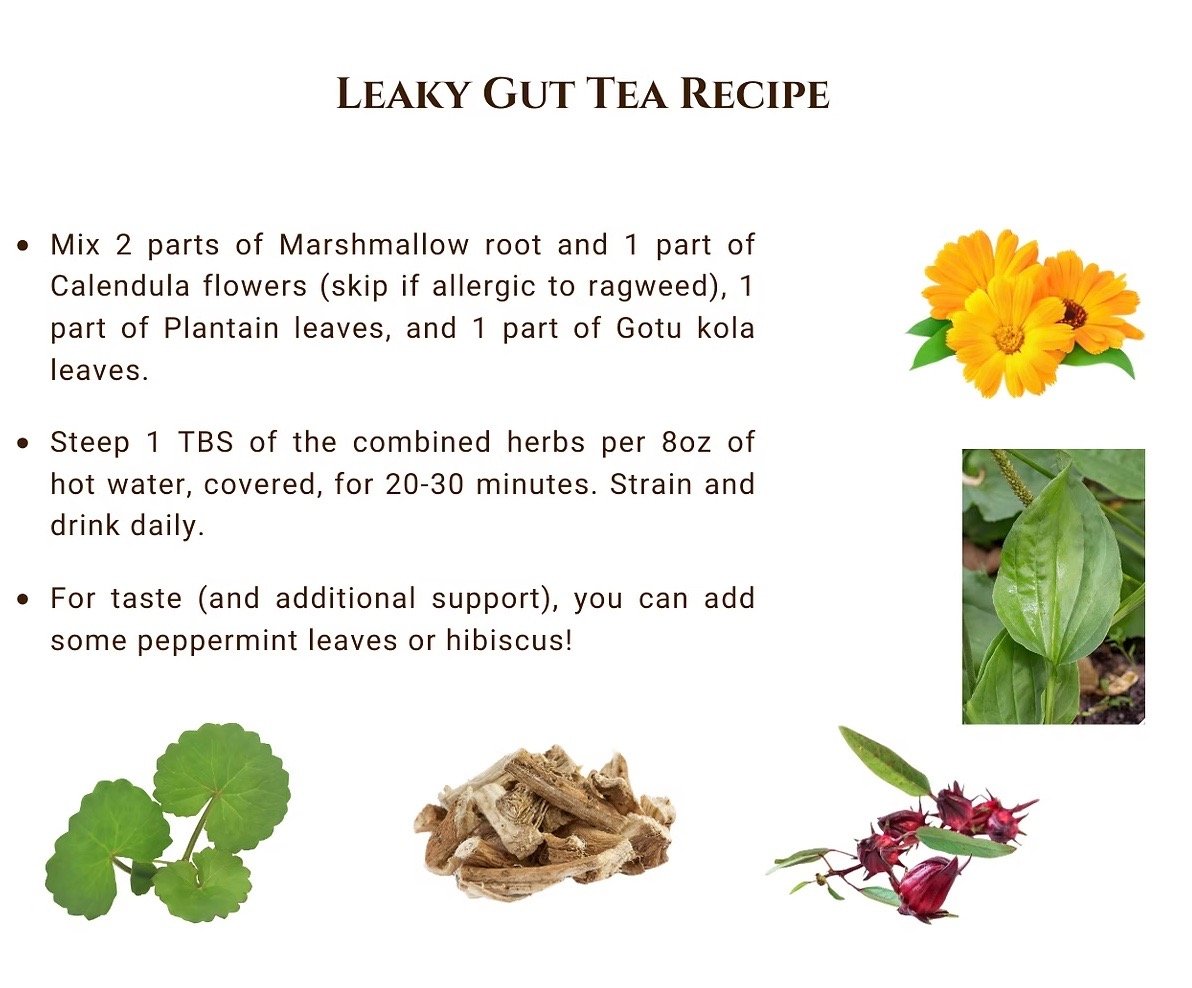
Herbs: Choose herbs that are vulnerary (tissue healing), such as Plantain and Calendula; anti-inflammatory, such as Ginger and Turmeric; demulcent (soothing and moistening), such as Marshmallow and DGL Licorice roots; and carminative (digestive aid), such as Peppermint and Chamomile (Stansbury, 2018). See my favorite “Leaky Gut Tea” recipe below!
Prebiotics: Soluble fiber, like Sunfiber, can help you normalize the digestive system.
L-Glutamine: An amino acid that helps repair the gut lining.
EPA/DHA: Omega-3 fatty acids that help reduce inflammation.
Zinc-Carnosine: This combination supports immune function and gut health.
Vitamins A & D: Both vitamins support tight junctions and immune cells in the gut.
Contact me for a personalized approach based on your biomarkers, health history, nutritional imbalances, lifestyle considerations, and preferences.


"If you truly love nature, you will find beauty everywhere"— Vincent Van Gogh
Contact us:
info@wildwoodsherbals.com
© 2025. All rights reserved.
My post content


