Clean Living: How to Avoid Harmful Toxins in Everyday Products
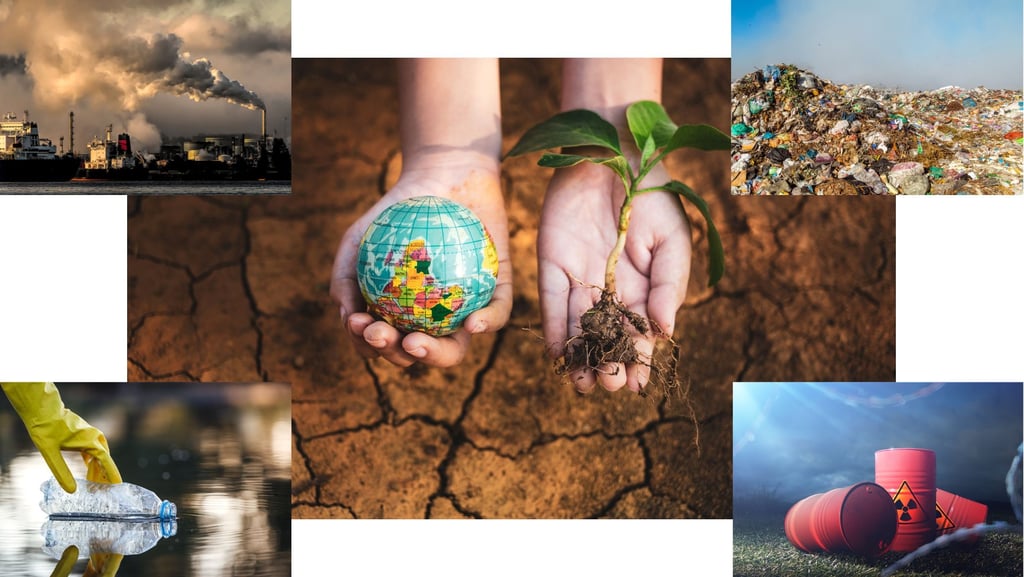
Toxins are found everywhere: in our food, water, air, and the products we use daily. Understanding the different types of toxins and their sources is crucial for minimizing our exposure and protecting our health.
HEALTH & WELLNESS
Annalisa Mazzarella, BCHN®, NBC-HWC
9/27/20243 min read

My post content
understanding toxins - how to minimize exposure
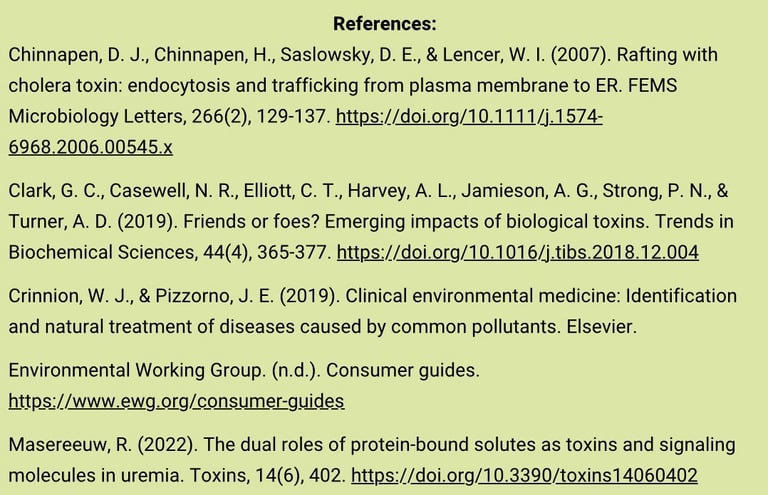
A toxin is any biologically active substance that can harm a living organism. These substances can be natural or human-made and have a wide range of effects on the body, from mild irritation to severe illness and even death. Toxins are found everywhere: in our food, water, air, and the products we use daily. Understanding the different types of toxins and their sources is crucial for minimizing our exposure and protecting our health. They can be broadly categorized into two main types: endogenous and exogenous. Both endogenous and exogenous toxins pose a health risk, and understanding where they come from and how to avoid them is essential for maintaining well-being (Crinnion & Pizzorno, 2019).
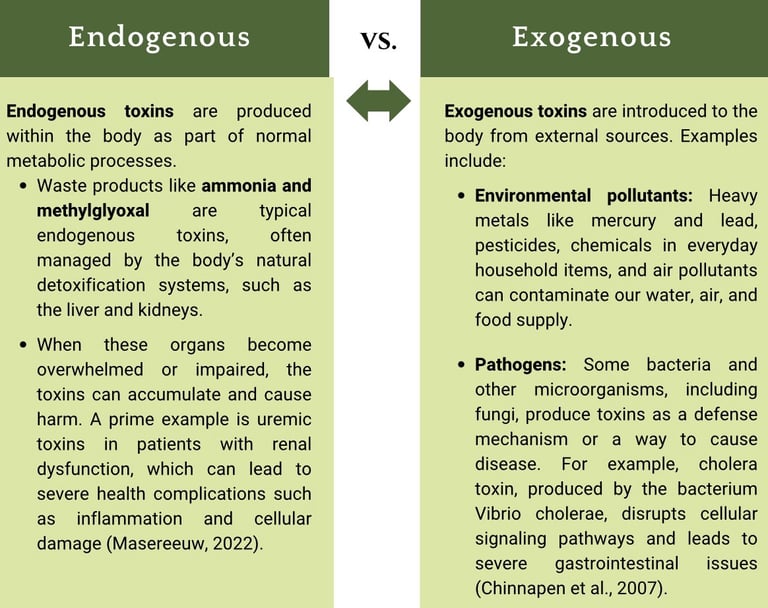
Toxins can come from a variety of everyday sources. Here are a few common examples:
Environmental Pollutants:
Air pollutants: Particulate matter, nitrogen dioxide, and sulfur dioxide can contribute to respiratory issues.
Water contaminants: Heavy metals like lead, arsenic, and mercury are commonly found in polluted water. They disrupt the body’s normal functions by interacting with cellular components. For example, exposure to heavy metals such as lead can interfere with neurological development in children.
Food and Beverages:
Pesticides: Many fruits and vegetables may contain pesticide residues if not grown organically.
Processed foods: These often contain preservatives, artificial additives, and chemicals that may act as exogenous toxins.
Mycotoxins: Found in contaminated grains and crops, these toxins produced by fungi can lead to serious health risks.
Household Products:
Cleaning agents: Many contain harmful chemicals such as ammonia, bleach, and other volatile organic compounds (VOCs).
Personal care products: Phthalates, parabens, and synthetic fragrances in cosmetics and skincare products can be endocrine disruptors.
Medications and Medical Treatments:
Some pharmaceuticals, especially when misused, can lead to toxic effects, either through direct toxicity or as byproducts of the body’s metabolic breakdown processes (Clark et al., 2019).
sources of toxins


How to Avoid Toxins in Everyday Life
The Environmental Working Group (EWG) provides consumer guides to help you make informed decisions and reduce exposure to harmful toxins. Here are some practical steps based on their recommendations:
Clean Your Produce:
Always wash fruits and vegetables to remove pesticide residues. The EWG’s Dirty Dozen list highlights produce with the highest levels of pesticide contamination, which should be bought organic whenever possible.
Choose Safer Household Products:
Opt for natural cleaning products or make your own using simple ingredients like vinegar, baking soda, and essential oils. The EWG’s Guide to Healthy Cleaning can help you find safer alternatives to toxic cleaning supplies.
Read Labels on Personal Care Products:
Avoid products that list phthalates, parabens, triclosan, or synthetic fragrances. The EWG’s Skin Deep database offers a comprehensive look at the safety of ingredients in cosmetics and personal care products.
Filter Your Water:
Consider using a water filter to reduce your exposure to heavy metals and chemical pollutants commonly found in tap water. The EWG’s Tap Water Database can help you identify specific contaminants in your area and suggest appropriate filtration methods.
Limit Processed Foods:
Processed foods are often loaded with preservatives, artificial colors, and other harmful chemicals. Focus on whole, minimally processed foods, and prepare meals from scratch when possible to avoid these additives.
You can also download EWG Healthy Living and Yuka apps to help you shop for safer products. By making these small changes, you can significantly reduce exposure to harmful toxins in your environment and daily routine.

The Promise of Toxins
While toxins pose significant health risks, they also hold immense potential for the development of new medicines and therapies. Researchers are exploring the use of toxins to treat a wide range of conditions, including:
Pain: Toxins that target ion channels and receptors in the nervous system are being investigated as potential pain relievers.
Infectious diseases: Antimicrobial peptides (AMPs) found in venoms are being explored as potential new antibiotics to combat antibiotic-resistant bacteria.
Autoimmune diseases: Some toxins are being studied for their potential to modulate the immune system and treat autoimmune disorders (Clark et al., 2019).
In conclusion, understanding the sources and types of toxins is essential for protecting your health. Both endogenous and exogenous toxins can contribute to a range of health issues, from inflammation to neurological damage. By making informed choices and using resources like the EWG’s consumer guides, you can take proactive steps to limit your toxin exposure and promote long-term well-being.
"If you truly love nature, you will find beauty everywhere"— Vincent Van Gogh
Contact us:
info@wildwoodsherbals.com
© 2025. All rights reserved.
My post content


